Comforters are essential for creating a warm and consistent sleeping environment, balancing insulation with breathability to accommodate varying room temperatures. Materials such as down, cotton, and synthetic fills influence warmth, weight, and durability, while shell fabrics impact softness and moisture management. Understanding fill power, loft, and weave helps in selecting a comforter that maintains comfort across seasons.
The Clean Bedroom Manhattan Goose Down Comforter exemplifies premium insulation with high-quality goose down, offering exceptional warmth-to-weight efficiency. Its construction focuses on maintaining even loft, minimizing clumping, and providing consistent thermal performance. Down-filled options are noted for lightweight warmth and lasting compressibility, which support long-term comfort.
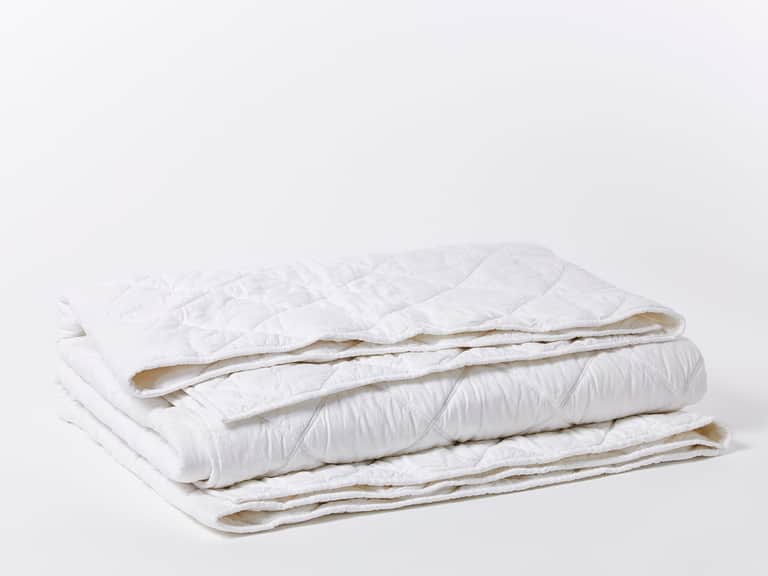
Diamond-Stitched Organic Cotton Comforter highlights the importance of natural, breathable fabrics paired with thoughtful stitching patterns. Organic cotton enhances softness and reduces chemical exposure, while diamond quilting helps distribute fill evenly to prevent cold spots. This type of comforter typically supports temperature regulation and a crisp, durable surface.
When evaluating comforters, consider fill type, fill weight, and the relationship between outer shell and stitched pattern. Down alternatives and natural fills each offer distinct advantages for allergy considerations, washing frequency, and ease of care. A well-chosen comforter aligns with bedding systems that include sheets, pillows, and organic-grade mattresses for cohesive sleep ergonomics.
Key features across comforters often include hypoallergenic options, machine washable practicality, and barrier fabrics that resist moisture transfer. Compatibility with a sheet set and pillows, as well as compatibility with latex or organic mattresses, contributes to a healthier sleep environment. Understanding these elements helps clarify how comforters support restful nights and consistent bed hygiene.
 Bedding